
Welcome to Nonfiction November, an annual event where nonfiction book bloggers showcase reviews and reflections about the nonfiction books we’ve read over the past year. It’s my sixth year participating.
There’s a different topic each week. Heather @ Based on a True Story is hosting week 1:
What nonfiction books did you read this year? What were your favorites? Did you find yourself reading a particular category of nonfiction most often?
In the past 12 months, I’ve read 16 nonfiction books. In previous years, I’ve organized them by category, but I’m having a more difficult time doing that this year.
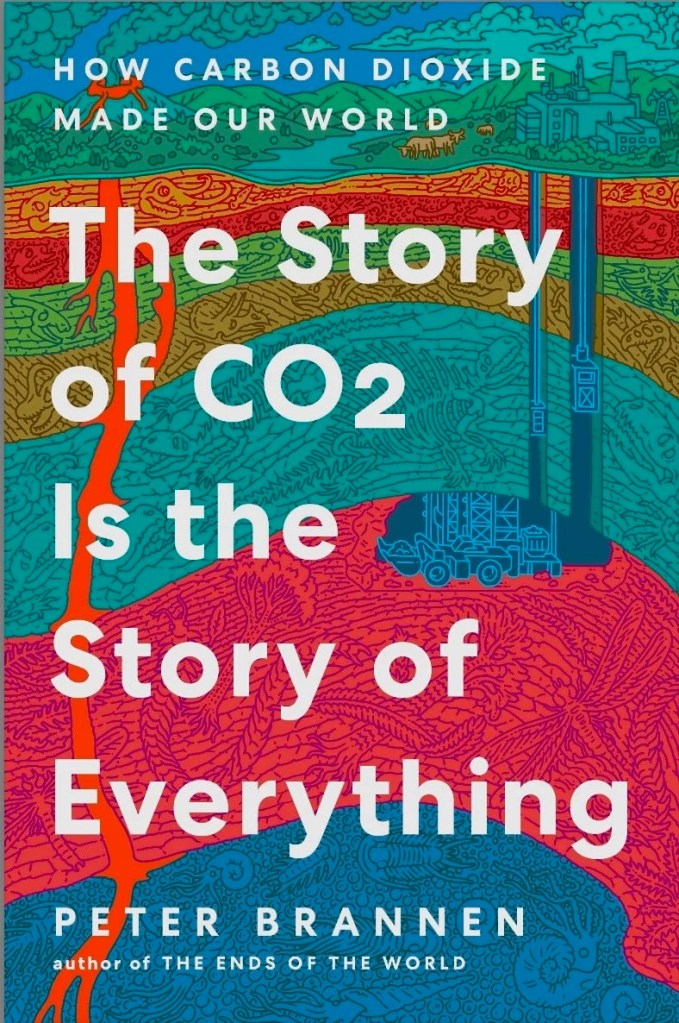
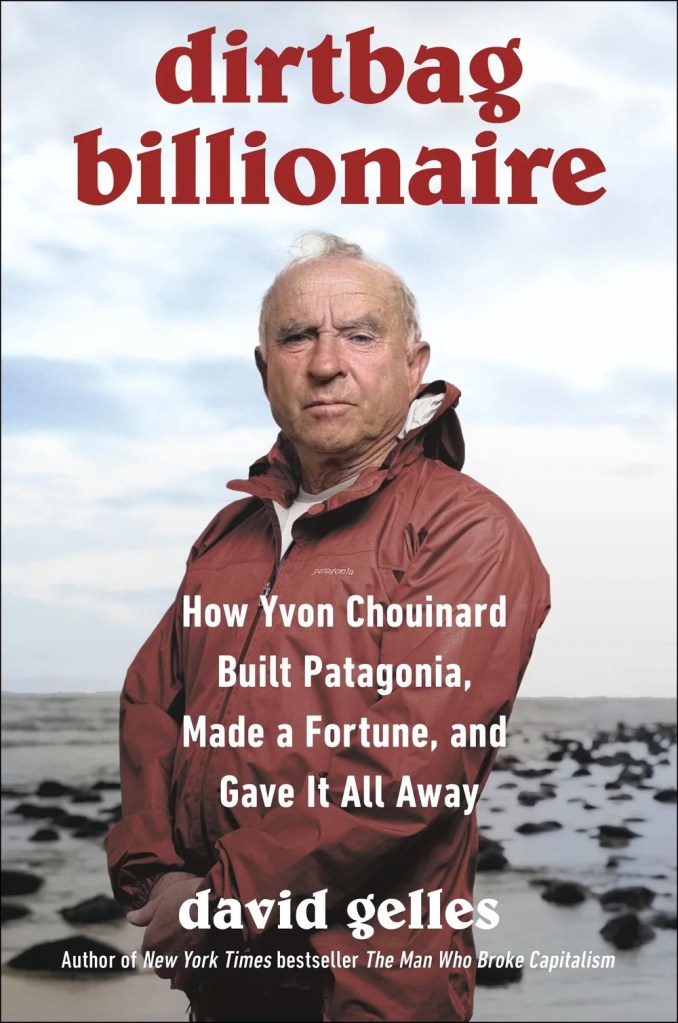
The first four are pretty clear. The Golden Road, about 1400 years of the influence of ancient India, fits squarely into History. The Story of CO2 is the Story of Everything goes into Science. All Remaining Passengers and Dirtbag Billionaire belong in Biography/Memoir. (Click on the images to jump to my reviews.)


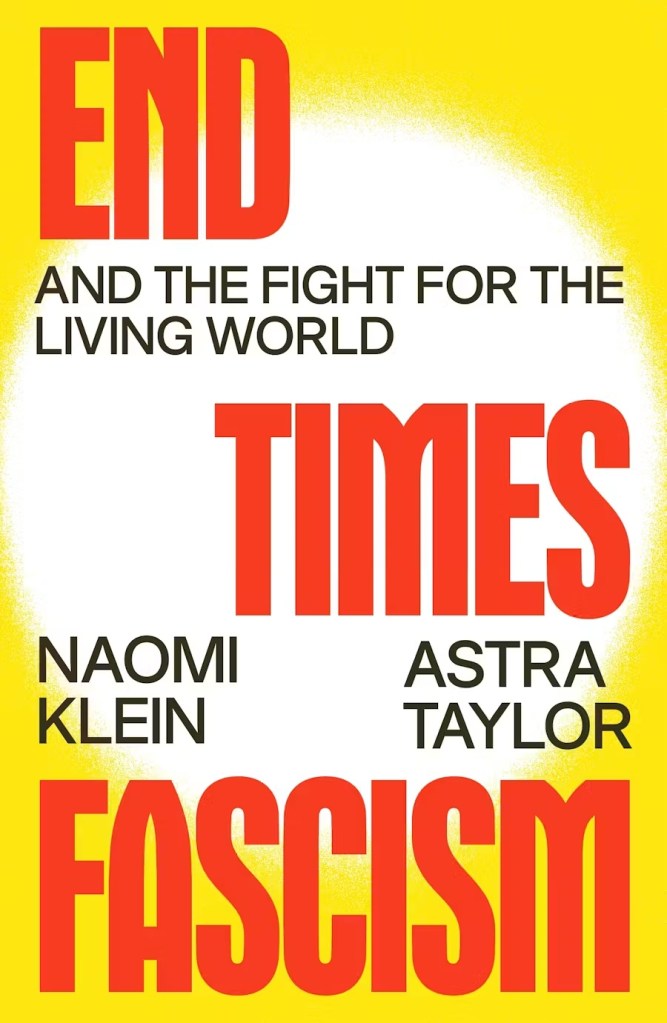
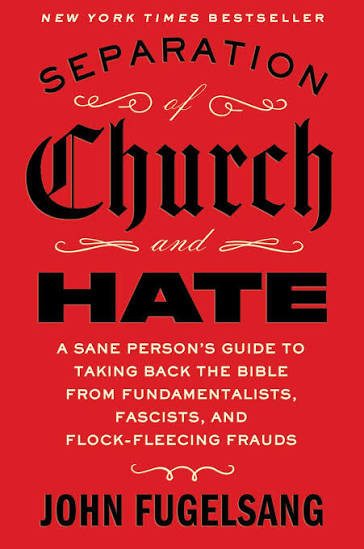
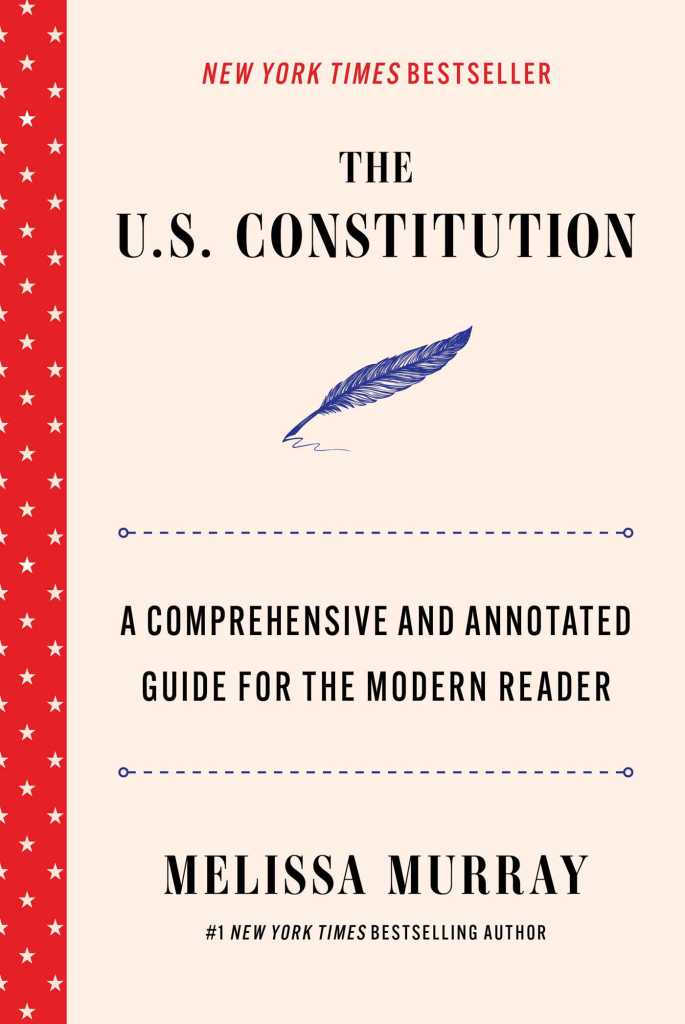
Then there’s a neat foursome over in Politics.

But the Environment category — half my reading — is rather sprawling this year.





Most of the books at least touch on climate change, but they extend into other areas too including law, economic policy, hydroelectric dams, history, forestry, and Indigenous knowledge.
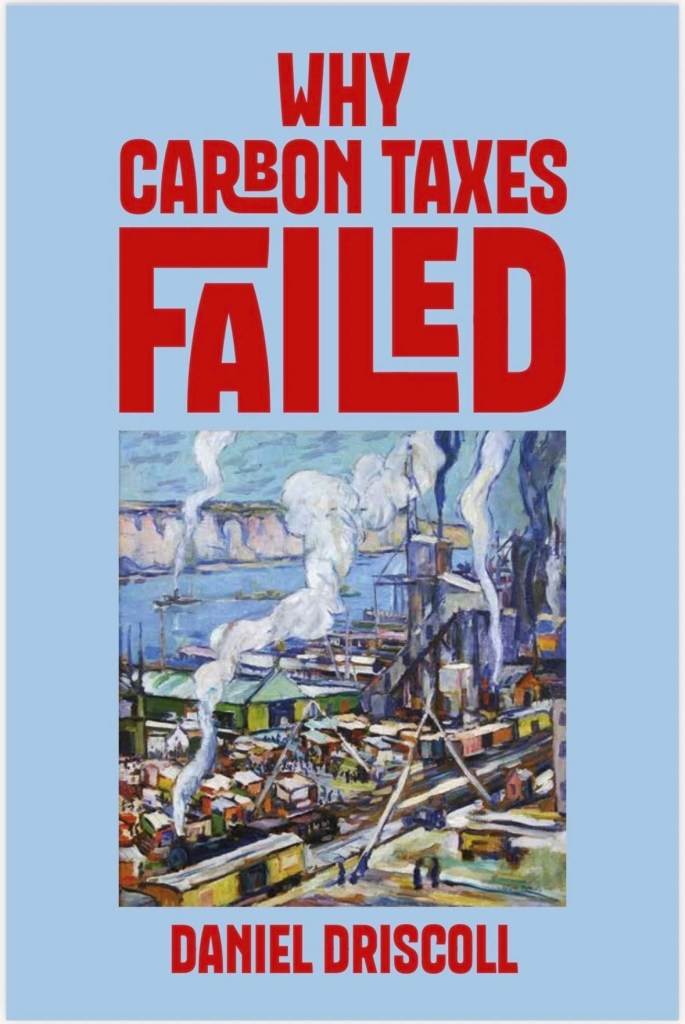
Hannah Ritchie’s Clearing the Air is essentially a book-length FAQ about climate change, or rather about dispelling climate change misinformation. Why Carbon Taxes Failed is an economic analysis of carbon taxes, a key policy measure often touted as the best way to mitigate climate change. Wild Law is one of the foundation texts of the rights of nature movement that seeks to protect the environment by seeking recognition for the legal rights and personhood of ecosystems and non-human species.
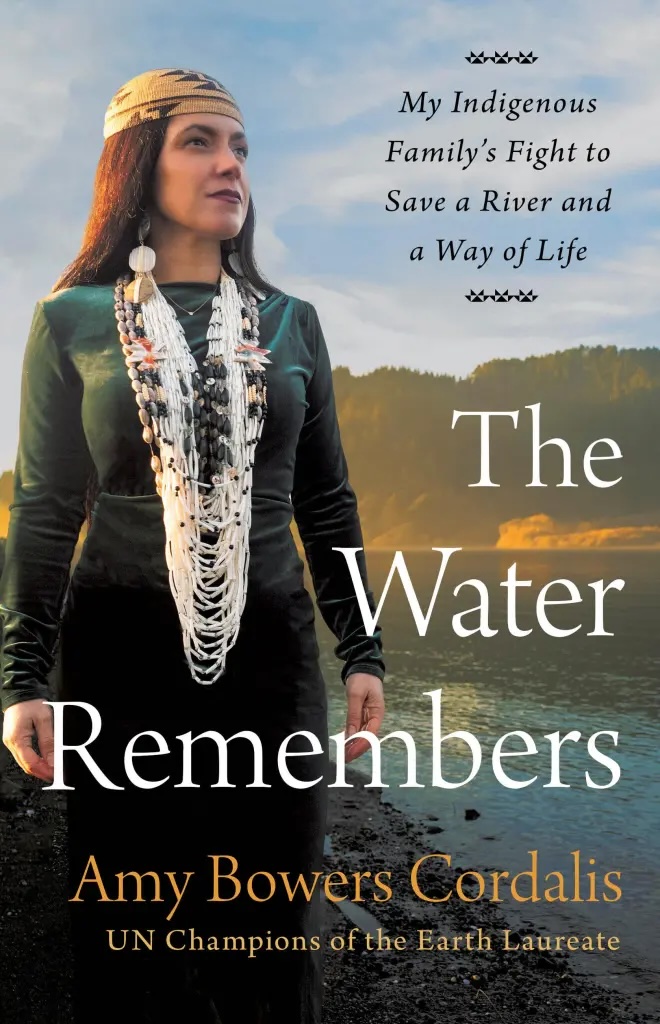
The remaining five books were either written by Indigenous people, or feature Indigenous people and knowledge. When the Forest Breathes by Suzanne Simard takes up where her first book, Finding the Mother Tree, leaves off. Two books are about removing dams from American rivers: Undammed and The Water Remembers. Braiding Sweetgrass was one of the first books to try to bridge the divide between western science and Indigenous knowledge, highlighting the importance of reciprocity and respect in our relationship with Nature. That theme is also explored deeply in In the Spirit of Right and Respectful Relations and extended to include relations between Indigenous and settler peoples.
Well, who says books have to fit into arbitrary categories?
My favorite book so far this year is The Water Remembers by Indigenous attorney Amy Bowers Cordalis. The book is a powerfully-written account of her family’s fight against the US government, the California state government and powerful business interests to save the Klamath River, its salmon species, and themselves. It’s an inspiring memoir of perseverance in the face of injustice, betrayal, violence and genocide. Highly recommended.
Thanks for reading.
Discover more from Unsolicited Feedback
Subscribe to get the latest posts sent to your email.


