
My wife and I just got back from our very first cruise, a leisurely two-week journey from Amsterdam to Budapest along the Rhine, Main, and Danube Rivers with stops at a dozen cities and towns along the way.
We’d always been leery of cruises. They seemed too confining, too packaged up. We’d heard too many reports of viral outbreaks on cruise ships. And why would you want to spend your time holed up with thousands of strangers in a floating apartment building? But we also know people who love cruising. So, along with another couple, we decided to give it a try. Our boat was relatively small as cruise ships go; only 180 guests and 50 or so crew. It seemed like a good introduction.
Overall, the experience exceeded our expectations. But we learned we are not cruise people.
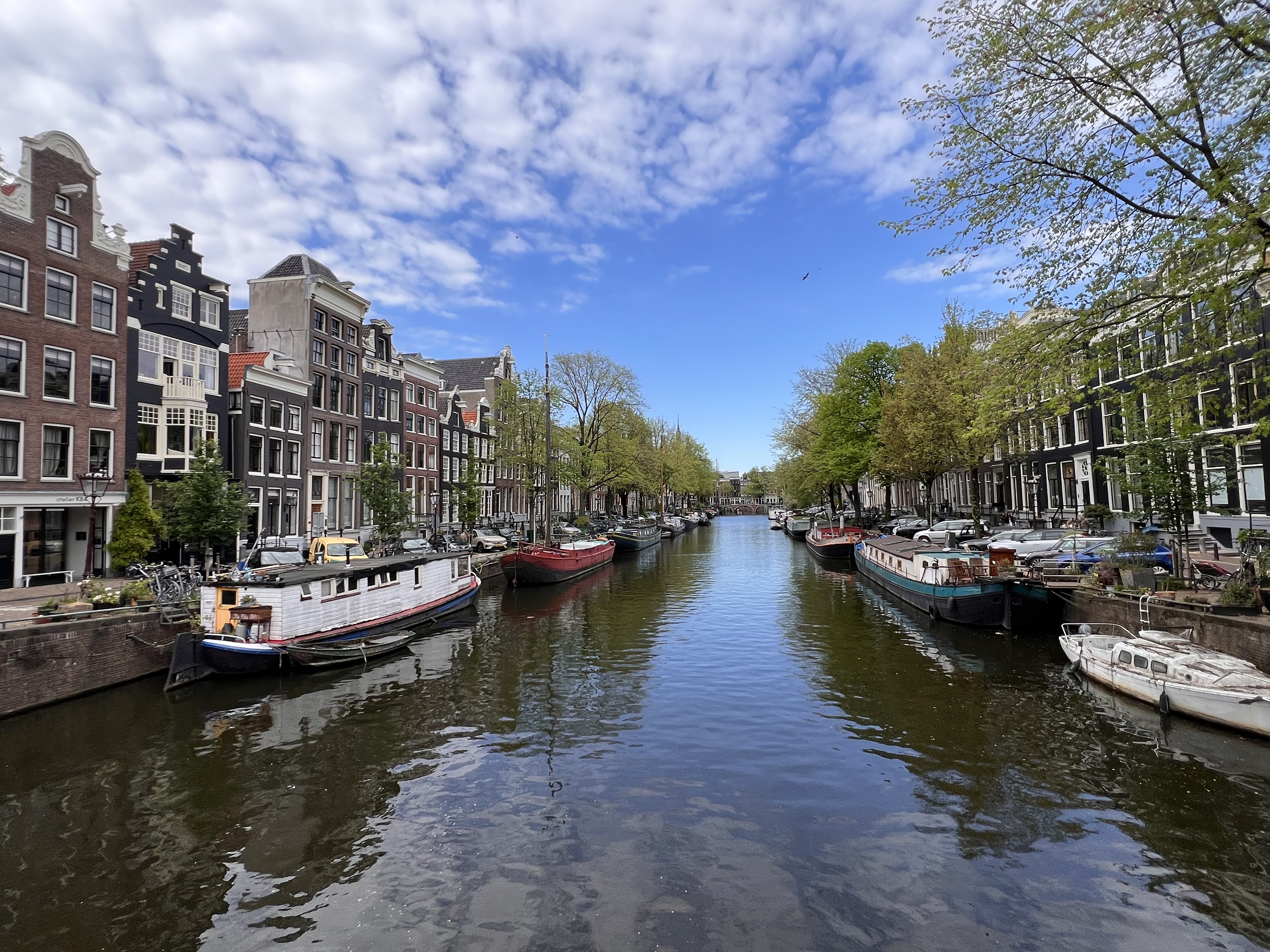
Why do you travel?
I’m going to give some unsolicited feedback about our cruise, but first I think it’s important to acknowledge that people like to travel for different reasons.
The main thing my wife and I like about traveling is learning. We’re both highly curious people and we enjoy seeing and experiencing new places, meeting new people and learning about their histories, cultures and traditions. Some people travel to socialize, to spend time with family or friends. Especially if you live in different cities or countries, travel offers a great way to get together and do things together. Many people travel to get away from cities and spend time in nature, hiking, camping and the like. We did this a lot when our kids were young. Some people travel for personal discovery. They take a career sabbatical or a gap year before college, or they walk the Camino de Santiago or the Pacific Crest Trail. And of course, many people just want to escape their hectic lives and relax, chill, lie on a beach with a good book and a large mojito.
Almost always, people travel for a mix of reasons, some more important than others. And some types of travel are more suited to certain goals than others. You probably won’t learn much visiting Disneyland, but you will definitely get to spend time with your family.
What cruising seems to do really well is provide a platform – a floating platform – for many people to satisfy a range of travel goals. But there are some trade-offs.
Convenient but structured
Cruising is the most convenient way to travel that we’ve ever experienced. You don’t need to pack and unpack your bags every day or two as you move from one place to the next. Your hotel room moves with you. Most of the sailing happens in the evenings and overnight. You wake up each morning in a new town. It’s effortless.
At every stop there are excursions you can take part in. In our case, there was typically a walking tour of each town in the morning included in our cruise package, and then optional excursions for additional fees in the afternoons and evenings. All the excursions were led by local guides. The cruise line took care of the logistics: organizing the excursions, booking the guides, paying for admission tickets to local museums or attractions, bussing us from the pier into town if it was too far to walk, etc.
You don’t need to search for, and agree on, a restaurant for each meal. You just go to the dining room. The food on our cruise was quite good, and the alcohol flowed freely. There were always one or two vegetarian options for us on the daily menus, and we could have asked for more if we’d planned ahead a little better each day. We learned the kitchen often catered to passengers with gluten free, low sodium and other dietary restrictions. We paid for a “drinks package” so we didn’t have to worry about the bar tab we racked up with each glass of beer or wine. A good thing since the bar also had a respectable selection of single malt scotch.
All this convenience and effortlessness came at a cost: our cruise was a highly structured, even regimented experience. Everything was scheduled: mealtimes, excursions, and on-board activities. On every excursion, we were essentially herded off the ship and herded back on again when the excursion was over. It was all tightly choreographed. To be fair, I can’t think of another way of organizing so many people. But there’s nothing spontaneous about cruising.
If you’re willing to submit yourself to the structure – and once you’re onboard you really don’t have much choice – you can satisfy some important travel goals.
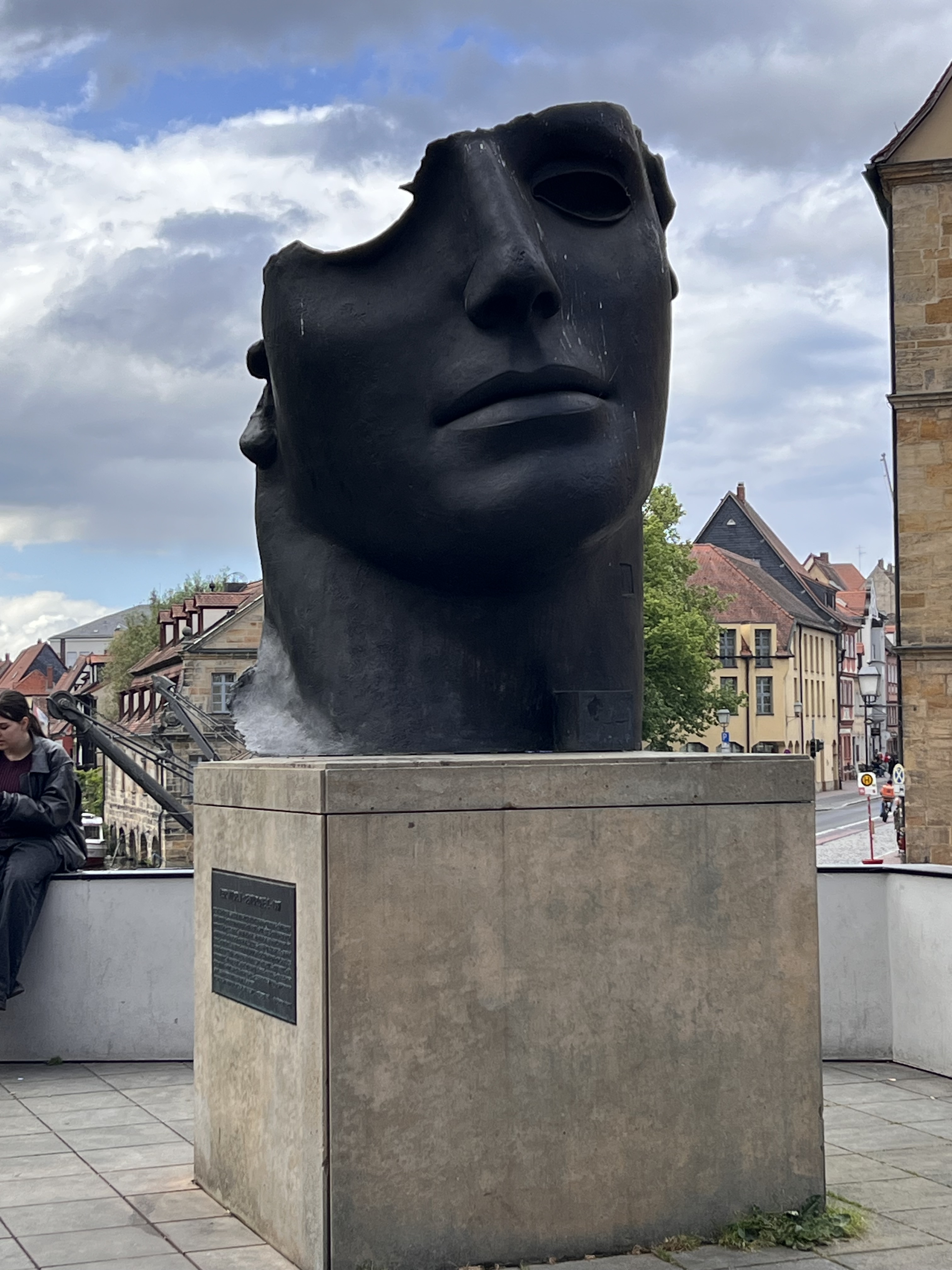
Photo by Harry Katz
Being curious
The onshore excursions were great for satisfying our curiosity. We learned a lot from the local guides at each stop. Definitely more than we would have learned on our own. I’d say the local guides were just as important as the crew in making the trip worthwhile for us. We had a couple of outstanding guides, and a few duds, but for the most part they were well-informed and engaging.
Unfortunately, there wasn’t much free time in most places to explore on our own. Because the river boats travel slowly, they can’t linger at each port. They have to move on to the next one. So usually after each excursion we had to head back to the boat right away.
Chilling out
If relaxation is one of your travel goals, cruising will tick that box. There was no beach, but our ship had an indoor lounge area and a sun deck up top where people could sit, read, play cards and chat. Quite often there was daytime sailing. Between ports, we could just sit outside on the deck or in the lounge and watch the scenery slide by. The rivers were calm, tranquil even, and lined by bike paths on both sides. The ship glided along the river at a stately pace: no more than 10 mph. One afternoon a jogger on shore ran past the ship. The landscapes were green and lush with pastures or vineyards close to the water, and trees, hills and even the occasional castle in the background. There was a low rock wall stabilizing the riverbank that extended for hundreds of miles along the Rhine. It must have taken decades to build. All very pleasant.
On the other hand, we didn’t get enough exercise. The walking tours were a good daily outing, but they were generally too short and too slow for us to burn off all the calories we consumed. Our ship was too small to have onboard fitness facilities, and the sun deck with its little walking track (twelve laps per mile) had to be shut down for several days while the ship passed under low bridges. I dreaded stepping onto the scale once we got home.
Plus the ship did get a little claustrophobic. It was very comfortable, but after a few days, we’d seen all there was to see onboard. By the end of our two-week cruise, we were eager to get off.
Socializing
Cruise ships are great places to socialize. Aboard our ship everyone was relaxed, on vacation and easy to talk to. We spoke to more people than we normally do when traveling by ourselves although the passengers were a fairly homogeneous group: mostly retirees, mostly well-off. The crew were generally friendly and helpful too. We spent a lot of time socializing at meals, in the evenings, and during periods of daytime sailing. For some of our fellow passengers, this seemed to be a primary motivation for cruising, like the brother-and-sister couple we met who live in different cities and spend time cruising together every year.
In fact, socializing with other passengers occupied more time than excursions on land. I think this was another effect of slow-moving river boats. (This must be even more true on ocean cruises.) While it’s nice to meet and chat with fellow travelers, we had not anticipated this would be such a significant part of the cruise. I suppose we could have spent more time in our room but see above re: claustrophobia.
All that socializing and communal dining in a confined space had one very bad side effect: we all got sick. The thing we dreaded most about cruising! Fortunately, we didn’t catch any exotic or deadly diseases. I got a mild cold, as did one of our friends, my wife had a sinus infection and, more seriously, another friend developed bronchitis. We think a couple of passengers came on board already sick with colds, and inevitably it spread through the vessel. But we’ll never know for sure. And no one wore masks until close to the end of the trip. There’s no getting away from it: a cruise ship is basically a floating Petri dish.
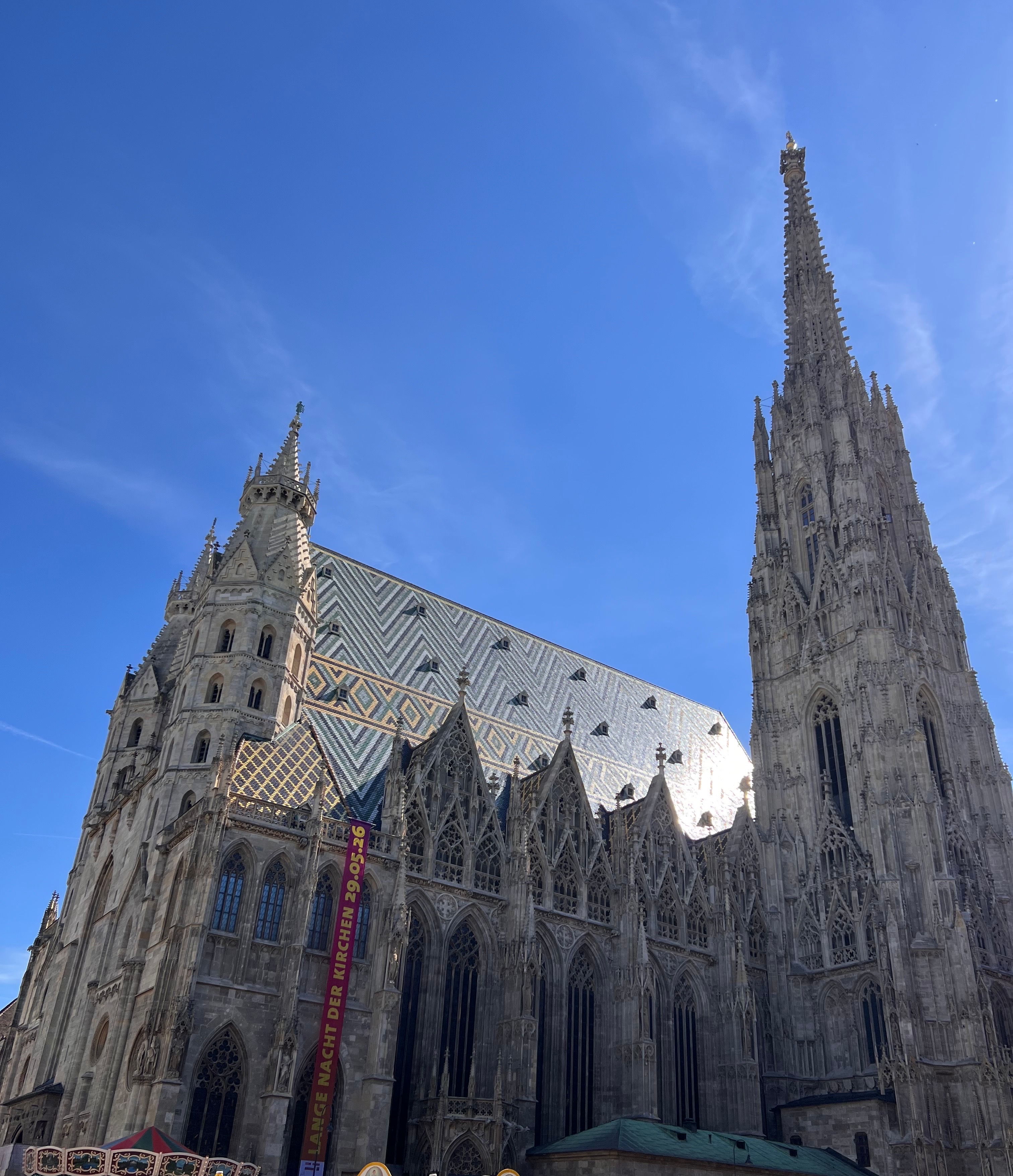
Cruise people
We met a lot of people onboard who seem to spend much of their lives cruising. Many were eager to share their experiences of previous journeys. Some had done 30 or 40 cruises of various types on various lines. They’d earned perks like free laundry service. One couple we met had sailed across the Atlantic from Florida to Amsterdam, disembarked from that ship and then literally walked across the harbor to board our river cruise.
Some of the cruise people seemed to take the onboard activities way too seriously, like the trivia contests or the disco nights.
It would be easy to fall into a lifestyle where a crew looks after every detail for you, but we learned this is not how we prefer to travel. When we disembarked our ship for the last time in Budapest, we decided to just walk the mile or so to our hotel. Even dragging our luggage, it felt liberating to walk on our own, at our own pace.
We’re not cruise people.
That said, we were at the lower end of the age distribution on our cruise. Some of the older guests showed evidence of mobility issues that may await us as we enter our 70s & 80s. Cruising gives them the ability to keep traveling and enjoying themselves. Got to hand it to them.
Would we cruise again?
Well, never say never, but I doubt it. After our cruise was over, we spent two more weeks in Europe, exploring Budapest and several other cities on our own. We relished getting back to our usual, less structured, more energetic mode of travel.
I can see two possible exceptions. First, Alaska. There’s really no easy way to see the scenery and wildlife of Alaska other than a cruise. But we’d probably want to find an even smaller ship if possible.
Second, cruising might have more appeal as we get older and start to experience mobility problems ourselves. We’ll see.
Side notes
I’ll wrap up with some general observations about river cruising.
The economic impact of river cruising is huge. There are something like 380 cruise ships plying the rivers of Europe, the vast majority on the Rhine-Main-Danube system. They attract about 1.3 million passengers annually, many of them flying in from North America. Servicing these ships is a massive enterprise. They all have to be provisioned with fuel, food, water and supplies, and they need to dispose of trash and sewage. At each port we got a glimpse into these behind-the-scenes activities as vendors pulled up to replenish supplies and take away waste. The cruise ships also hire guides and busses at each stop, pay for attractions, and of course, unload passengers with money to spend.
Cruising has an environmental impact too. The ships mostly still run on diesel, and generate considerable waste. Some ports, like Amsterdam, are starting to impose restrictions on the number of dockings they allow each year.
Finally, I often blog here about climate change and I’d be remiss if I didn’t mention that climate change is affecting the cruise industry too. This year, prior to our cruise, there had not been much rain in Germany. The water level in the Danube was so low that our crew worried there wouldn’t be enough clearance for our boat to get through to Budapest. In that case, we would have had to pack up and get bussed to a new ship on the other side of the low-water obstruction to continue our cruise. What a hassle! Fortunately, that didn’t happen to us, but it did occur on cruises later in the season.
If you’ve ever been on a cruise yourself, I’d be interested in what your experience was like. Drop a comment below.
Thanks for reading.
Discover more from Unsolicited Feedback
Subscribe to get the latest posts sent to your email.


Last December I looked into a cruise on the Danube with my husband for this fall. But then life happened and I never booked anything. My husband wasn’t crazy about the sole cruise to the Caribbean he’s been on because of all the time “wasted” (in his view) sailing on the water, so I thought a river cruise might be more appealing to him. I love the thought of not having to plan out where to stay and eat and tour, etc., so I’m thrilled to see your thorough accounting here of your trip. I hear both pros and cons, which sounds realistic.
Maybe I won’t give up planning something for this fall after all. Neither of us have ever been to Europe and this seems like an easy first foray. I don’t know that we will be cruise people either, but I would like to do this and an Alaska cruise as well.
LikeLiked by 1 person
If it’s going to be your first cruise and your first trip to Europe, I’d suggest a shorter cruise than our 2-week journey. Then maybe tack on a couple of extra days before and/or after the cruise so you can spend some extra time exploring the departure/destination city on your own. Bon voyage!
LikeLiked by 1 person
Good advice, Harry. I was thinking about a 7-day cruise with buffer days at the beginning and end. Thanks!
LikeLiked by 1 person