
In defiance of Donald Trump’s disastrous climate and energy policies, the world is steadily transitioning away from fossil fuels towards clean energy. In this post, I want to highlight some recent reports and articles examining this trend.
First, Ember, a UK-based energy think tank, released its 2026 Global Electricity Review. This report on global electricity generation in 2025 covers 215 countries and 13 regional groupings. Here are some key takeaways.
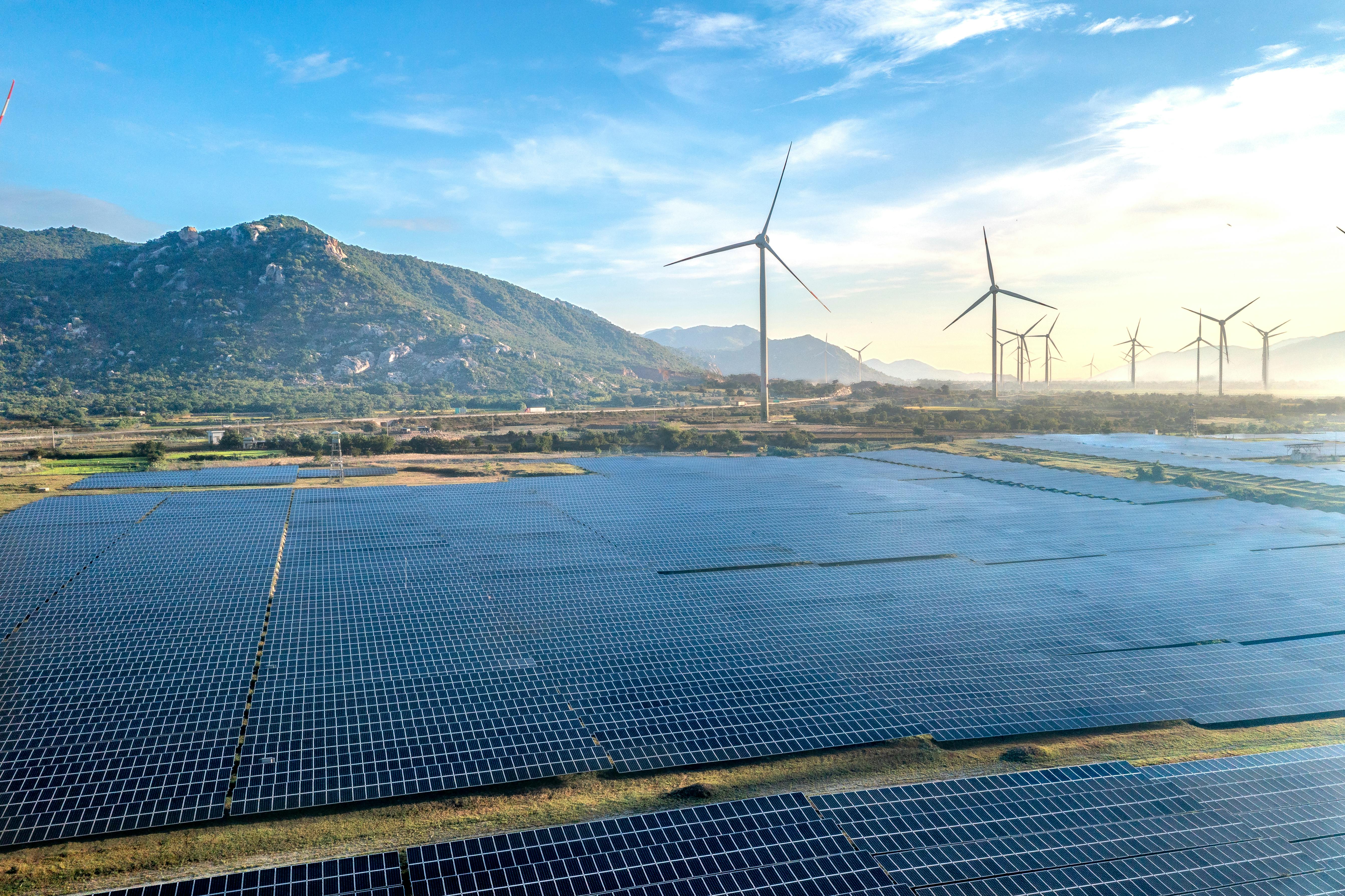
- Clean power met all new global electricity demand. Total global demand for electricity rose by 849 TWh last year. (1 TWh, or terawatt hour, or trillion watt hours is enough electricity to power 90,000 – 100,000 typical American homes for an entire year.) Clean electricity generation from solar, wind and hydro surged by 887 TWh, more than meeting the increased demand.
- Solar power generation alone increased by 636 TWh, a 30% increase over 2024, meeting 75% of new electricity demand in 2025. Global solar power generation now stands at 2,778 TWh annually, a tenfold increase since 2015.
- Electricity generation from fossil fuels fell by a small amount, 38 TWh, for only the fifth time this century. Fossil electricity generation fell last year in both China and India.
- Renewables overtook coal for the first time in 100 years. Renewables now account for just over a third of worldwide electricity generation, and coal has fallen to slightly less than one third.
You can listen to an interview with Nicholas Fulghum, lead author of the report, on an episode of the Shift Key podcast called Some Great News About the Global Electricity System. (Apple Podcasts, Spotify)
Renewables meeting all new electricity demand is a great milestone. However, to reach net zero emissions in the electric power sector, we need renewables to replace existing fossil generation too. That’s going to take a long time, most likely as older fossil generation plants retire.
By the way, Ember has this very cool Electricity Data Explorer that lets you examine how countries generate electricity, their power sector carbon emissions and other data. All free!
Second, Jigar Shah, an energy entrepreneur and former director of the Loan Programs Office in the US Department of Energy in the Biden Administration, posted an interesting article on LinkedIn titled This Isn’t Demand Destruction. It’s Rationing. It’s about the impact of the double blockade of the Strait of Hormuz by Iran and the United States.
The blockade has reduced global oil supplies by about 20% or 20 million barrels per day. Shah argues that no amount of price increase can account for such a large supply shock. In other words, even if oil were to reach $500 a barrel or some other astronomically high price, demand would still exceed supply. The only alternative is rationing. Governments will soon have to begin actually rationing fossil fuel. This is already starting to happen in some parts of South and Southeast Asia.
But this also drives more countries to accelerate their transition away from fossil fuels. Shah notes that countries have been preparing for this for about 10 years, unknowingly, through their Nationally Determined Contributions under the UN Paris Agreement. Now they just need to implement them.
Meanwhile, clean energy industries have spent years preparing for this moment, scaling up production and driving down costs. This will mostly benefit China which already exports huge amounts of solar panels, EVs and batteries.
You can listen to Shah discuss this on an episode of the Open Circuit podcast titled As oil rationing spreads, what comes next?
Next, energy reporter Bill Spindle writes on his Substack The Energy Adventure(r) about the UAE leaving OPEC. The Emirates have long chafed at OPEC-imposed quotas. Having left the organization they can now sell as much oil as the market will absorb … assuming they can somehow get it through the Strait.
Spindle suggests that the UAE recognizes the energy transition is happening and will likely accelerate due to Mideast conflict, even if it doesn’t acknowledge this publicly. He thinks they want to sell as much of their oil as quickly as they can before the world transitions away. Hence the break from OPEC.
Finally, on The Electrotech Revolution Substack, Kingsmill Bond and his colleagues at Ember argue in a post called The New Twin Fossil Shock that the current oil supply shocks of Ukraine and the Strait of Hormuz blockade are different from the oil shocks of the 1970s. That’s because today there are alternatives to fossil fuel — renewables — that are cheaper to run, faster to build and offer price stability and supply security.
Although they don’t specify a timeframe, Bond and his co-authors think Asia will lead the transition away from fossil fuels, that liquefied natural gas (LNG) will be pushed out of electricity generation and oil will be pushed out of transportation.
Three quarters of the world live in fossil fuel importing countries. That dependency leaves them vulnerable to both price and supply shocks. Renewable energy offers a better way if governments act decisively.
I’ll wrap up with one last observation: Trump’s reckless war on Iran may turn out to be the greatest single driver of the transition from fossil fuels to clean energy.
Thanks for reading.
Discover more from Unsolicited Feedback
Subscribe to get the latest posts sent to your email.


 Unsolicited Feedback