
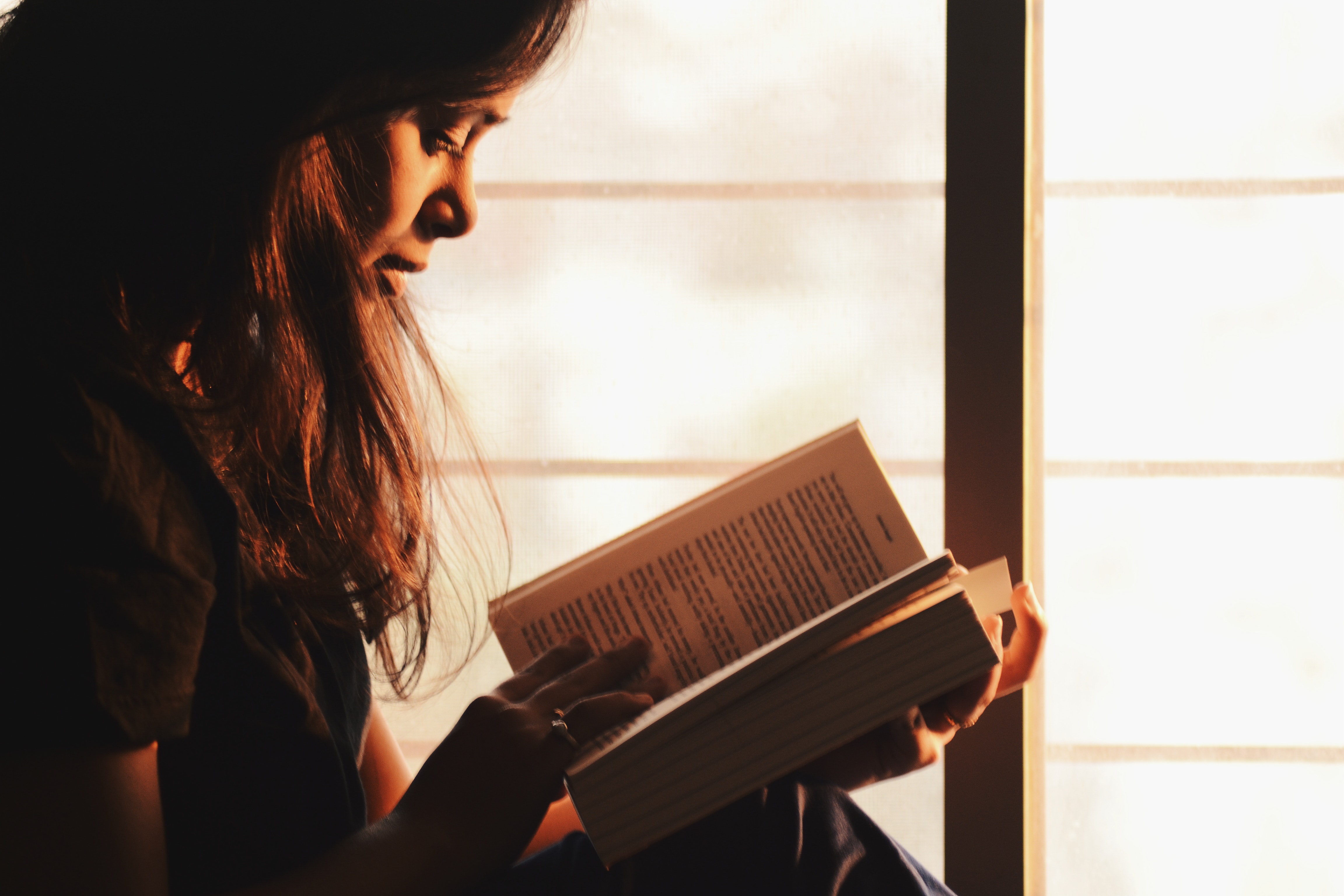
Book bans in the US have sunk to new depths of stupidity. In May, Amanda Gorman’s poem The Hill We Climb, which she read aloud to the whole country at Joe Biden’s inauguration in 2021, was banned from a Florida elementary school. Then, possibly in hilarious retaliation, the Bible was banned from elementary and middle schools in the Davis School District in Utah until the school board hastily reversed its decision.
In the face of this escalating conflict, A. O. Scott, the long-time film critic at The New York Times has written a wonderful essay titled Everyone Likes Reading. Why Are We So Afraid of It?
It’s a fabulously written piece that deeply explores centuries-long attempts to control who can read, what they can read, and what reading does to us. As Scott notes,
“… the reading crisis isn’t simply another culture war combat-zone. It reflects a deep ambivalence about reading itself, a crack in the foundations of modern consciousness.”
Perhaps our ambivalence comes from the paradoxical nature of reading itself.
“It’s essential to social progress, democratic citizenship, good government and general enlightenment. It’s also the most fantastically, sublimely, prodigiously useless pastime ever invented.”
He says it’s impossible to control what books students read or the way they read them. On the contrary, he argues it’s essential “… for the full destructive power of reading to lie in reach of innocent hands.”
In reach of all of our hands, I’d say.
The crisis in reading will only end when we stop reading.
“Which is why we can’t.”
Discover more from Unsolicited Feedback
Subscribe to get the latest posts sent to your email.


 Unsolicited Feedback